

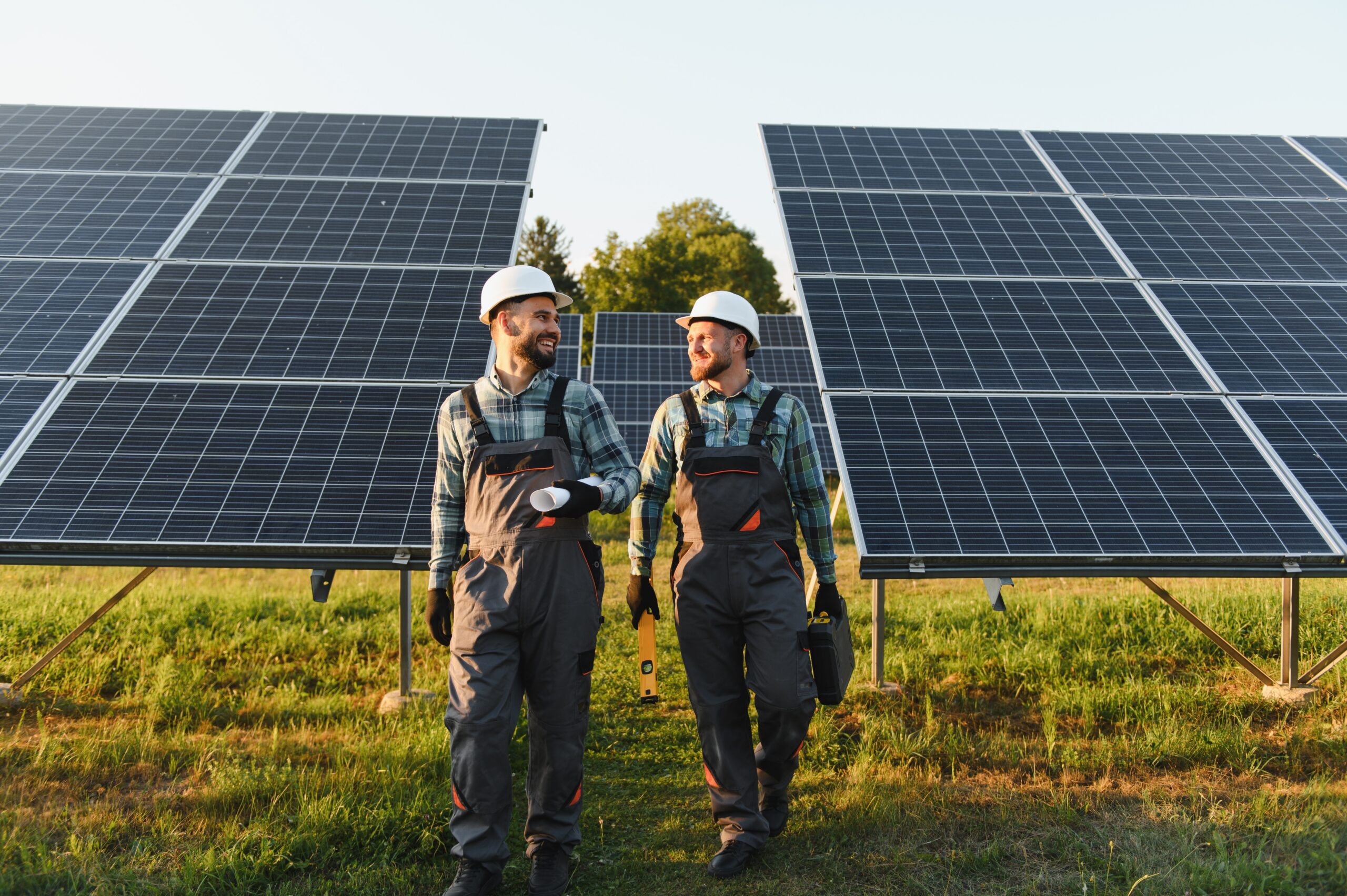

The shift to green energy is one of the most significant transformations in modern history. Green energy sources — primarily solar, wind, hydroelectric, geothermal, and emerging technologies — offer sustainable alternatives to fossil fuels, reducing carbon emissions, combating climate change, and enhancing energy security. As global electricity demand continues to rise due to population growth, electrification of transport, and expanding industries like data centers, green energy is stepping in to meet this need responsibly.
According to recent data from the International Energy Agency (IEA) and other sources, renewables are projected to account for a growing share of global electricity. The share of renewables in global electricity generation rose to around 32-34% in recent years, with forecasts indicating it could reach 43% by 2030. Solar PV and wind are leading this expansion, with solar alone driving much of the recent growth — adding record amounts in the first half of 2025 and covering a substantial portion of increased demand. In the U.S., solar installations have surged, with utility-scale projects adding tens of gigawatts annually, and renewables expected to make up a larger portion of the mix in the coming years.
Green energy provides clear environmental benefits by minimizing reliance on coal, oil, and natural gas, which contribute heavily to greenhouse gases. Economically, it creates jobs, stabilizes energy prices over time through abundant resources, and bolsters national energy independence. However, realizing the full potential of green energy requires skilled professionals to design, install, maintain, and optimize these systems. Electrical technicians play a pivotal role in this process, bridging traditional electrical work with renewable technologies to ensure reliable power delivery.
According to recent data from the International Energy Agency (IEA) and other sources, renewables are projected to account for a growing share of global electricity. The share of renewables in global electricity generation rose to around 32-34% in recent years, with forecasts indicating it could reach 43% by 2030. Solar PV and wind are leading this expansion, with solar alone driving much of the recent growth — adding record amounts in the first half of 2025 and covering a substantial portion of increased demand. In the U.S., solar installations have surged, with utility-scale projects adding tens of gigawatts annually, and renewables expected to make up a larger portion of the mix in the coming years.
Green energy provides clear environmental benefits by minimizing reliance on coal, oil, and natural gas, which contribute heavily to greenhouse gases. Economically, it creates jobs, stabilizes energy prices over time through abundant resources, and bolsters national energy independence. However, realizing the full potential of green energy requires skilled professionals to design, install, maintain, and optimize these systems. Electrical technicians play a pivotal role in this process, bridging traditional electrical work with renewable technologies to ensure reliable power delivery.
The Rise of Green Energy Technologies
Green energy technologies have advanced rapidly, driven by falling costs, policy support, and technological improvements. Solar photovoltaic (PV) systems convert sunlight directly into electricity using panels made of semiconductor materials. These can be deployed at various scales — from rooftop installations on homes to massive utility-scale solar farms spanning hundreds of acres. Wind energy harnesses kinetic energy from air movement through turbines, with onshore farms in windy regions and offshore installations in coastal areas capturing stronger, more consistent winds.
Hydroelectric power, one of the oldest forms of green energy, generates electricity from flowing water via dams or run-of-river systems. Geothermal taps into Earth's internal heat for steady baseload power, while biomass converts organic materials into energy. Emerging options like tidal and wave energy show promise in specific locations.
The growth trajectory is impressive. Solar PV capacity additions have dominated recent expansions, often representing over half of new renewable additions globally. Wind capacity, both onshore and offshore, continues to expand significantly. In the U.S., solar accounted for a large percentage of new generating capacity in recent quarters, with projections for continued strong deployment through 2030. Globally, variable renewables like solar and wind are expected to nearly double their share in electricity mixes.
These technologies matter because they reduce emissions, create economic opportunities, and improve grid resilience when properly integrated. Electrical technicians are essential in enabling this growth, handling the electrical infrastructure that connects green energy sources to homes, businesses, and the broader grid.
Hydroelectric power, one of the oldest forms of green energy, generates electricity from flowing water via dams or run-of-river systems. Geothermal taps into Earth's internal heat for steady baseload power, while biomass converts organic materials into energy. Emerging options like tidal and wave energy show promise in specific locations.
The growth trajectory is impressive. Solar PV capacity additions have dominated recent expansions, often representing over half of new renewable additions globally. Wind capacity, both onshore and offshore, continues to expand significantly. In the U.S., solar accounted for a large percentage of new generating capacity in recent quarters, with projections for continued strong deployment through 2030. Globally, variable renewables like solar and wind are expected to nearly double their share in electricity mixes.
These technologies matter because they reduce emissions, create economic opportunities, and improve grid resilience when properly integrated. Electrical technicians are essential in enabling this growth, handling the electrical infrastructure that connects green energy sources to homes, businesses, and the broader grid.
Key Roles of Electrical Technicians in Green Energy
Electrical technicians are hands-on experts who ensure green energy systems function efficiently and safely. Their work spans installation, maintenance, troubleshooting, and upgrades across solar, wind, and other renewable setups.
In solar energy, technicians mount panels on roofs or ground mounts, connect them to inverters that convert DC to AC power, and integrate systems with building electrical panels or the utility grid. They wire arrays, install monitoring equipment, and perform electrical tests to verify performance. For large solar farms, this involves high-voltage connections, transformers, and substations.
Wind energy requires similar expertise but often at greater heights and scales. Technicians climb turbines to inspect and repair electrical components like generators, control systems, and power electronics. They troubleshoot wiring issues, replace faulty parts, and ensure safe operation in harsh conditions. Substation work in wind farms includes maintaining collection systems that aggregate power from multiple turbines.
Maintenance is ongoing and critical. Technicians conduct regular inspections to identify wear, clean components, test electrical continuity, and optimize output. They use diagnostic tools to detect faults, such as inverter failures in solar or generator issues in wind, and perform repairs to minimize downtime. Safety is paramount — technicians follow strict protocols for working with high voltages, heights, and weather exposure, adhering to codes like the National Electrical Code (NEC) adapted for renewables.
Real-world examples illustrate their impact. In Texas solar projects, technicians have wired vast arrays contributing to the state's growing renewable output. Offshore wind developments require specialized electrical work to connect turbines to undersea cables and onshore grids. These efforts ensure green energy systems deliver consistent, high-quality power.
The skills needed include strong foundational electrical knowledge — understanding circuits, wiring, grounding, and codes — plus specialized training in renewables like PV systems, wind turbine electronics, and energy storage. Adaptability is key as technologies evolve.
In solar energy, technicians mount panels on roofs or ground mounts, connect them to inverters that convert DC to AC power, and integrate systems with building electrical panels or the utility grid. They wire arrays, install monitoring equipment, and perform electrical tests to verify performance. For large solar farms, this involves high-voltage connections, transformers, and substations.
Wind energy requires similar expertise but often at greater heights and scales. Technicians climb turbines to inspect and repair electrical components like generators, control systems, and power electronics. They troubleshoot wiring issues, replace faulty parts, and ensure safe operation in harsh conditions. Substation work in wind farms includes maintaining collection systems that aggregate power from multiple turbines.
Maintenance is ongoing and critical. Technicians conduct regular inspections to identify wear, clean components, test electrical continuity, and optimize output. They use diagnostic tools to detect faults, such as inverter failures in solar or generator issues in wind, and perform repairs to minimize downtime. Safety is paramount — technicians follow strict protocols for working with high voltages, heights, and weather exposure, adhering to codes like the National Electrical Code (NEC) adapted for renewables.
Real-world examples illustrate their impact. In Texas solar projects, technicians have wired vast arrays contributing to the state's growing renewable output. Offshore wind developments require specialized electrical work to connect turbines to undersea cables and onshore grids. These efforts ensure green energy systems deliver consistent, high-quality power.
The skills needed include strong foundational electrical knowledge — understanding circuits, wiring, grounding, and codes — plus specialized training in renewables like PV systems, wind turbine electronics, and energy storage. Adaptability is key as technologies evolve.
Innovations and Challenges in Green Energy
Innovation drives green energy forward. Energy storage, particularly lithium-ion batteries, addresses intermittency by storing excess power for use when the sun isn't shining or wind isn't blowing. Smart grids use digital technology for real-time monitoring and control, balancing supply and demand. AI and machine learning optimize forecasting and operations, while hybrid systems combine solar, wind, and storage for reliability.
Electrical technicians implement these advancements — installing battery systems, integrating smart inverters, and upgrading grid connections. They also handle emerging tech like vehicle-to-grid (V2G) capabilities, where EVs return power to the grid.
Challenges persist. Intermittency causes variability in output, straining grid stability. Aging infrastructure struggles with two-way power flows from distributed green energy sources. High upfront costs and regulatory hurdles slow deployment in some areas.
Solutions involve grid modernization, expanded storage, demand response, and advanced forecasting. Technicians upgrade transmission lines, install grid-forming inverters for stability, and maintain hybrid setups. Workforce demand is surging — clean energy jobs grow faster than average, with projections for significant increases in roles like electrical technicians through 2030. In the U.S., renewable sectors lead job creation, driven by investments and policy.
Electrical technicians implement these advancements — installing battery systems, integrating smart inverters, and upgrading grid connections. They also handle emerging tech like vehicle-to-grid (V2G) capabilities, where EVs return power to the grid.
Challenges persist. Intermittency causes variability in output, straining grid stability. Aging infrastructure struggles with two-way power flows from distributed green energy sources. High upfront costs and regulatory hurdles slow deployment in some areas.
Solutions involve grid modernization, expanded storage, demand response, and advanced forecasting. Technicians upgrade transmission lines, install grid-forming inverters for stability, and maintain hybrid setups. Workforce demand is surging — clean energy jobs grow faster than average, with projections for significant increases in roles like electrical technicians through 2030. In the U.S., renewable sectors lead job creation, driven by investments and policy.
The Future Outlook for Green Energy
Looking ahead, green energy adoption will accelerate. Global commitments to net-zero emissions, combined with tech cost declines, point to renewables dominating new capacity. By 2030, solar and wind could supply a much larger share of electricity, supported by massive storage deployments.
Electrical technicians will evolve, handling EV charging networks — installing fast chargers and bidirectional systems — microgrids for localized resilience, and sustainable building integrations with rooftop solar and smart controls. Their expertise will ensure green energy remains reliable amid rising demand from electrification.
Ultimately, green energy promises a cleaner, more resilient world. Electrical technicians are central to this transition, turning potential into practical, everyday power.
Electrical technicians will evolve, handling EV charging networks — installing fast chargers and bidirectional systems — microgrids for localized resilience, and sustainable building integrations with rooftop solar and smart controls. Their expertise will ensure green energy remains reliable amid rising demand from electrification.
Ultimately, green energy promises a cleaner, more resilient world. Electrical technicians are central to this transition, turning potential into practical, everyday power.
Start a Career as an Electrical Technician
If you're inspired by the role electrical technicians play in advancing green energy and want to build a career in this dynamic field, we offer a comprehensive Electrical Technician Training Program at our campus in Austin, Texas. Designed with hands-on learning, our curriculum covers essential electrical principles, safety standards, and specialized topics in renewable energy systems, including solar PV installation, wind turbine basics, energy storage, and grid integration.
Students gain practical experience in real-world scenarios, preparing for industry certifications and the skills employers seek in the growing renewables sector. With flexible scheduling options and a focus on job-ready training, we equip graduates to enter high-demand roles where they can contribute to green energy projects locally and beyond.
Whether you're starting a new career or advancing your skills, our program provides the foundation for success in this exciting industry. Contact us to learn more!
Students gain practical experience in real-world scenarios, preparing for industry certifications and the skills employers seek in the growing renewables sector. With flexible scheduling options and a focus on job-ready training, we equip graduates to enter high-demand roles where they can contribute to green energy projects locally and beyond.
Whether you're starting a new career or advancing your skills, our program provides the foundation for success in this exciting industry. Contact us to learn more!