

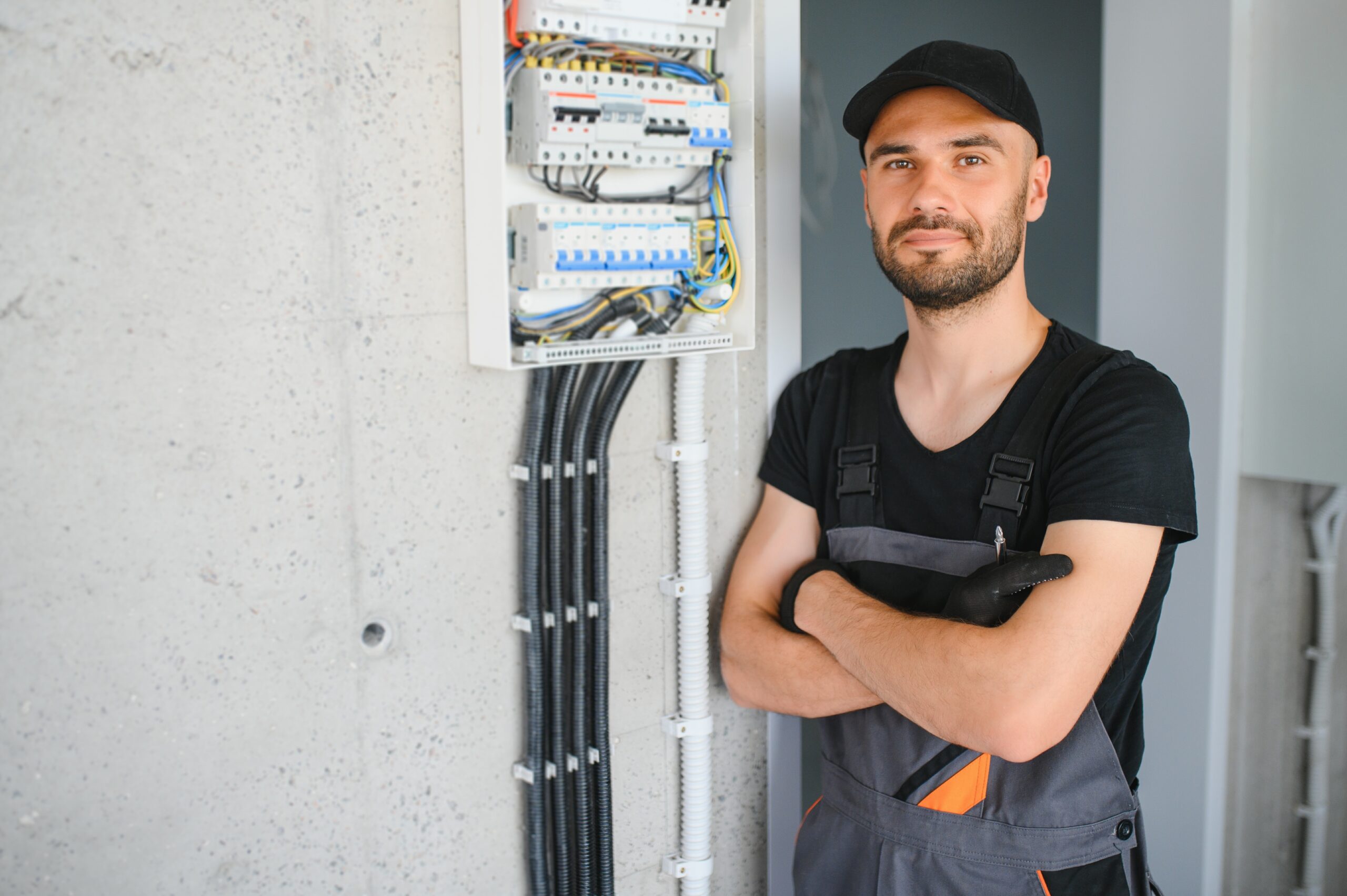

In the fast-paced world of construction and maintenance, electrical work demands precision, safety, and deep technical knowledge. Imagine stepping onto a busy job site where power systems must be installed correctly the first time. An untrained laborer might fumble with basic tasks, learning through trial and error under pressure. In contrast, someone who has completed structured hands-on learning arrives prepared, confident, and ready to contribute meaningfully from day one as a skilled electrical technician.
Hands-on learning stands out as the most effective way to develop the skills needed for a successful career as an electrical technician. It bridges the gap between classroom theory and real-world application, allowing students to practice with actual tools and materials in a controlled environment. This approach not only builds competence but also emphasizes safety and best practices from the start. For those in Austin, Texas, exploring a career in this high-demand field, understanding the value of hands-on learning is the first step toward long-term success.
Hands-on learning stands out as the most effective way to develop the skills needed for a successful career as an electrical technician. It bridges the gap between classroom theory and real-world application, allowing students to practice with actual tools and materials in a controlled environment. This approach not only builds competence but also emphasizes safety and best practices from the start. For those in Austin, Texas, exploring a career in this high-demand field, understanding the value of hands-on learning is the first step toward long-term success.
What Does a Skilled Electrical Technician Actually Do?
Skilled Electrical technicians play a critical role in powering homes, businesses, and industrial facilities. They are responsible for installing, maintaining, and troubleshooting the systems that deliver electricity from the power source to equipment. This includes heavy circuitry, motor controls, and associated piping, but typically stops short of repairing the core components of the machines themselves.
On any given day, a skilled electrical technician might handle residential, commercial, or industrial wiring. They bend and size conduit, read blueprints to plan installations, perform load calculations to properly size circuit breaker panels for houses or buildings, and service and troubleshoot existing electrical systems. With the rise of renewable energy, many technicians also install and maintain solar (photovoltaic) panels.
A key part of the job involves using the National Electrical Code (NEC) code book to ensure every installation meets safety and compliance standards. Whether working indoors in a hospital or outdoors on a new construction site, technicians must combine technical knowledge with practical problem-solving. This blend of skills makes the profession both intellectually engaging and physically rewarding.
However, mastering these responsibilities requires more than reading manuals or watching demonstrations. It demands repeated, guided practice—the essence of quality hands-on learning.
On any given day, a skilled electrical technician might handle residential, commercial, or industrial wiring. They bend and size conduit, read blueprints to plan installations, perform load calculations to properly size circuit breaker panels for houses or buildings, and service and troubleshoot existing electrical systems. With the rise of renewable energy, many technicians also install and maintain solar (photovoltaic) panels.
A key part of the job involves using the National Electrical Code (NEC) code book to ensure every installation meets safety and compliance standards. Whether working indoors in a hospital or outdoors on a new construction site, technicians must combine technical knowledge with practical problem-solving. This blend of skills makes the profession both intellectually engaging and physically rewarding.
However, mastering these responsibilities requires more than reading manuals or watching demonstrations. It demands repeated, guided practice—the essence of quality hands-on learning.
Why Hands-On Learning Beats Learning Solely on the Job
Many people enter the electrical field by showing up on job sites as laborers, hoping to learn through observation and occasional tasks. While this path is common, it has significant limitations compared to structured hands-on learning.
On-the-job learning is often inconsistent. Workers may spend months or years on repetitive, low-skill tasks before gaining exposure to complex systems like conduit bending, blueprint reading, or solar installations. Mistakes happen under real pressure, sometimes with live electricity, which can lead to safety incidents, costly rework, or delays.
Hands-on learning in a dedicated program changes this dynamic. Students practice in a supervised setting where instructors can correct techniques immediately. They learn proper methods for residential, commercial, and industrial wiring; accurate conduit bending and sizing; precise load calculations; and effective troubleshooting. Safety protocols become second nature because learners work with real equipment without the risks of an active job site.
Another major advantage is speed of progression. Graduates of a comprehensive program gain eligibility to apply for an Apprentice Electrician License through the Texas Department of Licensing and Regulation (TDLR). This credential allows them to enter the workforce as recognized apprentices rather than basic laborers. They start earning while gaining supervised experience toward journeyman status, often advancing faster and accessing better opportunities than those without formal preparation.
In short, hands-on learning provides a solid foundation that propels graduates into skilled apprentice positions ahead of untrained workers. It reduces the learning curve, minimizes early-career frustrations, and builds the confidence needed to tackle diverse projects in residential service, new construction, retrofitting, or renewable energy.
On-the-job learning is often inconsistent. Workers may spend months or years on repetitive, low-skill tasks before gaining exposure to complex systems like conduit bending, blueprint reading, or solar installations. Mistakes happen under real pressure, sometimes with live electricity, which can lead to safety incidents, costly rework, or delays.
Hands-on learning in a dedicated program changes this dynamic. Students practice in a supervised setting where instructors can correct techniques immediately. They learn proper methods for residential, commercial, and industrial wiring; accurate conduit bending and sizing; precise load calculations; and effective troubleshooting. Safety protocols become second nature because learners work with real equipment without the risks of an active job site.
Another major advantage is speed of progression. Graduates of a comprehensive program gain eligibility to apply for an Apprentice Electrician License through the Texas Department of Licensing and Regulation (TDLR). This credential allows them to enter the workforce as recognized apprentices rather than basic laborers. They start earning while gaining supervised experience toward journeyman status, often advancing faster and accessing better opportunities than those without formal preparation.
In short, hands-on learning provides a solid foundation that propels graduates into skilled apprentice positions ahead of untrained workers. It reduces the learning curve, minimizes early-career frustrations, and builds the confidence needed to tackle diverse projects in residential service, new construction, retrofitting, or renewable energy.
What Quality Hands-On Learning Looks Like in Practice
Effective hands-on learning goes far beyond lectures. It involves immersive practice with the tools, materials, and scenarios that mirror actual job conditions.
In a well-designed program, students spend the majority of their time actively working. They wire mock residential, commercial, and industrial setups. They master conduit bending techniques using professional benders and learn to size conduit correctly for different applications. Blueprint reading becomes practical as they plan and execute installations based on real drawings.
Load calculations are not abstract math exercises—students perform them to determine the right circuit breaker panel size for a house or larger structure. They practice servicing and troubleshooting complete electrical systems, diagnosing issues and making repairs under guidance. With the growing importance of renewables, hands-on learning now often includes solar panel installation and maintenance, teaching students how to integrate photovoltaic systems safely and efficiently.
Throughout the process, learners reference the NEC code book for every project, developing the habit of code-compliant work. This comprehensive approach ensures graduates understand not just how to perform tasks, but why specific methods matter for safety and performance.
One strong example is the 720-hour Advanced Electrical & Renewable Energy Technician Certification Program, which spans about 7.5 months (30 weeks). Flexible class schedules make it accessible for working adults. Participants receive nationally accredited certification and qualify to apply for the Apprentice Electrician License through TDLR. The curriculum emphasizes practical skills across residential, commercial, and industrial wiring, plus solar, preparing students for entry-level positions in the industry.
This type of structured hands-on learning creates muscle memory and problem-solving instincts that purely on-the-job experience takes years to develop.
In a well-designed program, students spend the majority of their time actively working. They wire mock residential, commercial, and industrial setups. They master conduit bending techniques using professional benders and learn to size conduit correctly for different applications. Blueprint reading becomes practical as they plan and execute installations based on real drawings.
Load calculations are not abstract math exercises—students perform them to determine the right circuit breaker panel size for a house or larger structure. They practice servicing and troubleshooting complete electrical systems, diagnosing issues and making repairs under guidance. With the growing importance of renewables, hands-on learning now often includes solar panel installation and maintenance, teaching students how to integrate photovoltaic systems safely and efficiently.
Throughout the process, learners reference the NEC code book for every project, developing the habit of code-compliant work. This comprehensive approach ensures graduates understand not just how to perform tasks, but why specific methods matter for safety and performance.
One strong example is the 720-hour Advanced Electrical & Renewable Energy Technician Certification Program, which spans about 7.5 months (30 weeks). Flexible class schedules make it accessible for working adults. Participants receive nationally accredited certification and qualify to apply for the Apprentice Electrician License through TDLR. The curriculum emphasizes practical skills across residential, commercial, and industrial wiring, plus solar, preparing students for entry-level positions in the industry.
This type of structured hands-on learning creates muscle memory and problem-solving instincts that purely on-the-job experience takes years to develop.
Career Opportunities and Earning Potential
The outlook for skilled electrical technicians remains strong. Employment of electricians is projected to grow faster than average, driven by new construction, infrastructure upgrades, renovations, and the expansion of alternative energy sources like solar.
Opportunities exist across many settings: small and large electrical service companies handling new builds or retrofits; residential service work involving installations, repairs, and troubleshooting; and in-house roles at hospitals, schools, government facilities, and commercial buildings. The addition of solar training opens doors in the renewable energy sector, where demand continues to rise.
Compensation reflects the value of these skills. The median annual wage for electricians was $62,350 in May 2024, with a median hourly pay of $29.98 before overtime. Experienced technicians, especially those with renewable energy expertise, often earn more through overtime, specialized projects, or advancement to journeyman and master levels.
Graduates with formal hands-on learning position themselves well for these roles. They enter the field qualified and licensed at the apprentice level, making them more attractive to employers than untrained laborers. Over time, this foundation supports steady career growth in a trade that offers stability, variety, and strong earning potential.
Opportunities exist across many settings: small and large electrical service companies handling new builds or retrofits; residential service work involving installations, repairs, and troubleshooting; and in-house roles at hospitals, schools, government facilities, and commercial buildings. The addition of solar training opens doors in the renewable energy sector, where demand continues to rise.
Compensation reflects the value of these skills. The median annual wage for electricians was $62,350 in May 2024, with a median hourly pay of $29.98 before overtime. Experienced technicians, especially those with renewable energy expertise, often earn more through overtime, specialized projects, or advancement to journeyman and master levels.
Graduates with formal hands-on learning position themselves well for these roles. They enter the field qualified and licensed at the apprentice level, making them more attractive to employers than untrained laborers. Over time, this foundation supports steady career growth in a trade that offers stability, variety, and strong earning potential.
Get the Practical Experience You Need
Becoming a skilled electrical technician requires dedication, but the right preparation makes all the difference. Hands-on learning delivers the practical experience, safety knowledge, and technical proficiency that set professionals apart. It transforms beginners into capable contributors who can confidently handle wiring, conduit work, load calculations, troubleshooting, solar installations, and code requirements.
A quality certification program serves as an excellent first step. It equips graduates to apply for an Apprentice Electrician License through TDLR and pursue entry-level opportunities in commercial, residential, and renewable energy sectors. Rather than starting at the bottom as an untrained helper, those with structured hands-on learning launch their careers from a position of strength.
If you’re ready to build a rewarding future in electrical work, explore programs that prioritize hands-on learning. In Austin, options like our Advanced Electrical & Renewable Energy Technician program provide the focused, practical education needed to thrive in this essential trade.
The demand for qualified skilled electrical technicians shows no signs of slowing. Investing in hands-on learning today can lead to a stable, well-paying career with room for advancement tomorrow. Contact us today to learn more.
A quality certification program serves as an excellent first step. It equips graduates to apply for an Apprentice Electrician License through TDLR and pursue entry-level opportunities in commercial, residential, and renewable energy sectors. Rather than starting at the bottom as an untrained helper, those with structured hands-on learning launch their careers from a position of strength.
If you’re ready to build a rewarding future in electrical work, explore programs that prioritize hands-on learning. In Austin, options like our Advanced Electrical & Renewable Energy Technician program provide the focused, practical education needed to thrive in this essential trade.
The demand for qualified skilled electrical technicians shows no signs of slowing. Investing in hands-on learning today can lead to a stable, well-paying career with room for advancement tomorrow. Contact us today to learn more.