

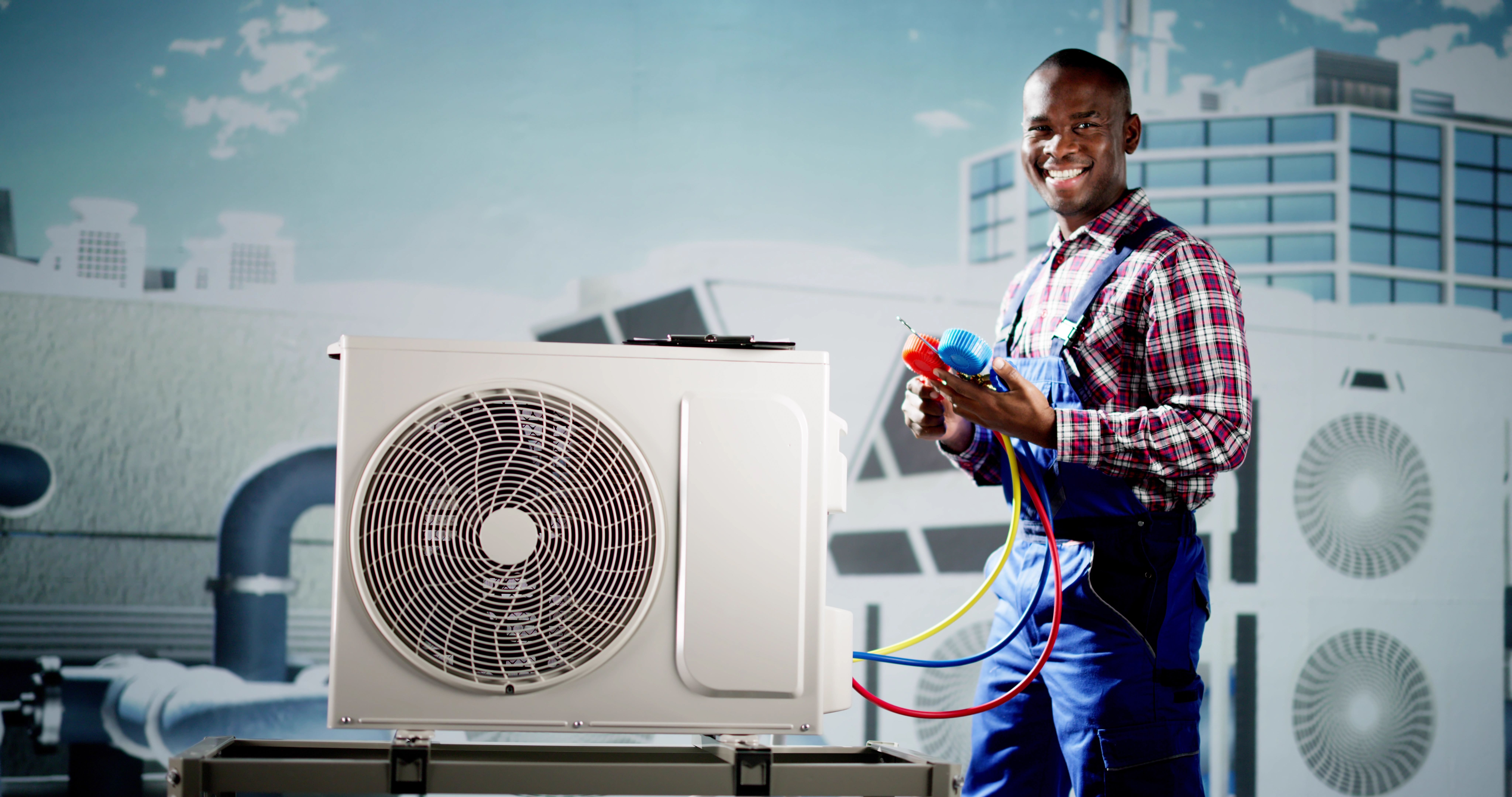

In an era where job security feels increasingly elusive, a career in HVAC-R stands out as a beacon of stability and prosperity. This field isn't just a job, it's a lifelong profession that promises career longevity through unwavering demand, adaptable skills, and pathways to financial independence. Whether you're a recent high school graduate, seeking a career changer, or someone looking for recession-proof employment, HVAC-R certification opens doors to roles that can evolve with you over decades.
What truly sets HVAC-R apart is its resilience. Automation may disrupt desk jobs, but the hands-on nature of installing, diagnosing, and repairing complex climate systems demands human ingenuity. Certified professionals navigate this landscape with confidence, transitioning seamlessly from fieldwork to leadership to entrepreneurship.
At the heart of this success is targeted training. Austin Career Institute (ACI) exemplifies this by offering an accelerated, accredited program that transforms novices into certified experts in just eight months. Delivered in English or Spanish, our immersive curriculum emphasizes real-world application, equipping graduates with the tools for immediate impact and sustained growth.
Certification isn't a mere credential — it's a launchpad for long-term success, helping you command higher wages, dodge layoffs, and build a legacy in an industry projected to thrive for generations. How do you do it? Let’s take a closer look.
What truly sets HVAC-R apart is its resilience. Automation may disrupt desk jobs, but the hands-on nature of installing, diagnosing, and repairing complex climate systems demands human ingenuity. Certified professionals navigate this landscape with confidence, transitioning seamlessly from fieldwork to leadership to entrepreneurship.
At the heart of this success is targeted training. Austin Career Institute (ACI) exemplifies this by offering an accelerated, accredited program that transforms novices into certified experts in just eight months. Delivered in English or Spanish, our immersive curriculum emphasizes real-world application, equipping graduates with the tools for immediate impact and sustained growth.
Certification isn't a mere credential — it's a launchpad for long-term success, helping you command higher wages, dodge layoffs, and build a legacy in an industry projected to thrive for generations. How do you do it? Let’s take a closer look.
Understanding the HVAC-R Industry
The HVAC-R industry is the unsung hero of modern comfort, engineering environments where people live, work, and innovate. Technicians design, install, and maintain systems that regulate temperature, humidity, and air quality, preventing everything from food spoilage in supermarkets to equipment failures in data centers. These systems are integral to daily life: imagine a sweltering summer without air conditioning or a frozen warehouse without reliable refrigeration. HVAC-R professionals ensure safety and efficiency, adhering to codes that protect occupants from hazards like carbon monoxide leaks or poor ventilation.
Career longevity in this sector stems from perpetual demand. Buildings age, requiring upgrades; new constructions boom with population growth; and climate change amplifies the need for robust systems. Urbanization accelerates this — cities like Austin are expanding rapidly, mandating advanced HVAC-R solutions for high-rises and smart homes. Energy regulations, such as those from the EPA, push for greener technologies, creating jobs in retrofitting older buildings with eco-friendly refrigerants and variable-speed compressors.
Technological evolution keeps HVAC-R exciting and future-proof. Gone are the days of basic furnaces; today's systems integrate IoT sensors for predictive maintenance, geothermal heat pumps for sustainability, and AI-driven diagnostics that alert technicians via apps. Mastering these innovations requires ongoing learning, but it rewards adaptability with job security. ACI's program immerses students in cutting-edge equipment, from variable refrigerant flow (VRF) systems to energy recovery ventilators (ERVs). Graduates emerge not as outdated tradespeople but as versatile experts ready for decades of relevance. In essence, HVAC-R isn't static — it's a dynamic field where certification fuels long-term professional success, turning passion for problem-solving into an enduring career.
Career longevity in this sector stems from perpetual demand. Buildings age, requiring upgrades; new constructions boom with population growth; and climate change amplifies the need for robust systems. Urbanization accelerates this — cities like Austin are expanding rapidly, mandating advanced HVAC-R solutions for high-rises and smart homes. Energy regulations, such as those from the EPA, push for greener technologies, creating jobs in retrofitting older buildings with eco-friendly refrigerants and variable-speed compressors.
Technological evolution keeps HVAC-R exciting and future-proof. Gone are the days of basic furnaces; today's systems integrate IoT sensors for predictive maintenance, geothermal heat pumps for sustainability, and AI-driven diagnostics that alert technicians via apps. Mastering these innovations requires ongoing learning, but it rewards adaptability with job security. ACI's program immerses students in cutting-edge equipment, from variable refrigerant flow (VRF) systems to energy recovery ventilators (ERVs). Graduates emerge not as outdated tradespeople but as versatile experts ready for decades of relevance. In essence, HVAC-R isn't static — it's a dynamic field where certification fuels long-term professional success, turning passion for problem-solving into an enduring career.
Job Demand and Outlook
The HVAC-R job market is a powerhouse of opportunity, defying trends that plague other industries. The U.S. Bureau of Labor Statistics (BLS) forecasts a 9% growth in employment from 2023 to 2033 — outpacing the average for all occupations — with about 42,500 openings annually. This surge isn't hypothetical; it's driven by tangible factors like booming construction in sunbelt states, aging infrastructure needing replacements, and a wave of retirements among baby boomer technicians.
In regions like Texas, demand skyrockets due to extreme weather. Scorching heats and unpredictable freezes mean systems run overtime, leading to frequent breakdowns and lucrative emergency calls. Technicians here often enjoy year-round work, with peak seasons offering double-time pay. Environmental mandates further amplify opportunities: the shift to low-global-warming-potential (GWP) refrigerants under the American Innovation and Manufacturing (AIM) Act requires widespread system overhauls, employing thousands in compliance upgrades.
Certified technicians, especially ACI alumni, hold a competitive edge. ACI's program aligns with Texas Department of Licensing and Regulation (TDLR) standards, preparing graduates for immediate licensure. This credentialing opens doors to union jobs, government contracts, and specialized niches like hospital HVAC or cleanroom refrigeration. As renewable integrations — like solar-assisted heating — gain traction, HVAC-R pros pivot effortlessly, ensuring career longevity amid industry shifts. The outlook? Bright and boundless, with roles evolving alongside smart cities and net-zero buildings.
In regions like Texas, demand skyrockets due to extreme weather. Scorching heats and unpredictable freezes mean systems run overtime, leading to frequent breakdowns and lucrative emergency calls. Technicians here often enjoy year-round work, with peak seasons offering double-time pay. Environmental mandates further amplify opportunities: the shift to low-global-warming-potential (GWP) refrigerants under the American Innovation and Manufacturing (AIM) Act requires widespread system overhauls, employing thousands in compliance upgrades.
Certified technicians, especially ACI alumni, hold a competitive edge. ACI's program aligns with Texas Department of Licensing and Regulation (TDLR) standards, preparing graduates for immediate licensure. This credentialing opens doors to union jobs, government contracts, and specialized niches like hospital HVAC or cleanroom refrigeration. As renewable integrations — like solar-assisted heating — gain traction, HVAC-R pros pivot effortlessly, ensuring career longevity amid industry shifts. The outlook? Bright and boundless, with roles evolving alongside smart cities and net-zero buildings.
Salary Potential
Financial rewards in HVAC-R underscore its appeal for long-term success. BLS data from May 2024 pegs the median annual wage at $59,810 ($28.75 hourly), but this is just the starting line. Entry-level techs with certification often begin at $45,000-$55,000, surging past $70,000 within five years through experience and specialties.
Overtime is a game-changer, especially in high-demand areas. A single heatwave can add $10,000 to $20,000 annually via after-hours repairs. Top earners — those working in commercial refrigeration or industrial chillers — clear $100,000+ annually, with bonuses for energy audits or system commissions. Entrepreneurship amplifies this: many certified techs launch firms, scaling to six-figure profits by servicing fleets or contracting for builders.
Benefits bolster stability. Unionized roles provide pensions, comprehensive health plans, and paid training. ACI graduates command premiums — employers pay 10–20% more for their accredited skills and bilingual capabilities. Over a career, compounding raises, promotions, and side gigs like home energy consultations build wealth. In HVAC-R, salary isn't capped; it's a ladder climbed through expertise, paving the way for retirement on your terms.
Overtime is a game-changer, especially in high-demand areas. A single heatwave can add $10,000 to $20,000 annually via after-hours repairs. Top earners — those working in commercial refrigeration or industrial chillers — clear $100,000+ annually, with bonuses for energy audits or system commissions. Entrepreneurship amplifies this: many certified techs launch firms, scaling to six-figure profits by servicing fleets or contracting for builders.
Benefits bolster stability. Unionized roles provide pensions, comprehensive health plans, and paid training. ACI graduates command premiums — employers pay 10–20% more for their accredited skills and bilingual capabilities. Over a career, compounding raises, promotions, and side gigs like home energy consultations build wealth. In HVAC-R, salary isn't capped; it's a ladder climbed through expertise, paving the way for retirement on your terms.
The Importance of Proper Training and Certification
In a field laced with high-voltage wiring, pressurized gases, and precision diagnostics, skimping on training is risky. Modern systems demand knowledge of brazing techniques, electrical schematics, and refrigerant handling to avoid costly errors or safety violations.
Certification validates this mastery. The EPA Section 608 credential, required for refrigerants, prevents environmental fines; NATE (North American Technician Excellence) certification signals elite status. ACI's 720-hour program delivers both, plus prep for OSHA safety and TDLR licensing. Taught by industry veterans, it blends classroom theory with lab simulations on actual units — troubleshooting a faulty compressor or calibrating a thermostat lineup.
This investment yields dividends: certified techs secure jobs 30% faster, earn 15–25% more, and advance quicker. It mitigates obsolescence, as recertification mandates keep skills sharp. For career longevity, certification is non-negotiable — it's the difference between fleeting gigs and a respected, enduring profession.
Certification validates this mastery. The EPA Section 608 credential, required for refrigerants, prevents environmental fines; NATE (North American Technician Excellence) certification signals elite status. ACI's 720-hour program delivers both, plus prep for OSHA safety and TDLR licensing. Taught by industry veterans, it blends classroom theory with lab simulations on actual units — troubleshooting a faulty compressor or calibrating a thermostat lineup.
This investment yields dividends: certified techs secure jobs 30% faster, earn 15–25% more, and advance quicker. It mitigates obsolescence, as recertification mandates keep skills sharp. For career longevity, certification is non-negotiable — it's the difference between fleeting gigs and a respected, enduring profession.
Skills You'll Learn in an HVAC-R Program
ACI's curriculum is a masterclass in versatility, forging skills that sustain careers across eras. Students dissect air conditioning cycles, learning to diagnose inefficiencies in scroll compressors or evaporator coils. Ductwork mastery includes fabricating sheet metal, sealing joints for optimal airflow, and using anemometers for balancing.
Load calculations teach energy modeling software, ensuring systems match building needs without waste. Ductless mini-splits and heat pumps get dedicated modules, covering inverter technology for zoned comfort. Heating skills span gas furnaces, boilers, and hydronics, while ventilation emphasizes IAQ filters and ERVs to combat pollutants.
Safety is paramount: protocols for lockout/tagout, fall protection, and chemical handling prevent accidents. Blueprints come alive through CAD basics, and customer service training hones soft skills — explaining repairs clearly builds loyalty.
Hands-on reigns supreme: students wire control boards, recover refrigerants, and perform brazed connections on live setups. This practical immersion breeds confidence, enabling graduates to tackle any scenario. These skills aren't fleeting; they're foundational for adapting to future tech like CO2 refrigeration or building automation systems, securing long-term relevance.
Load calculations teach energy modeling software, ensuring systems match building needs without waste. Ductless mini-splits and heat pumps get dedicated modules, covering inverter technology for zoned comfort. Heating skills span gas furnaces, boilers, and hydronics, while ventilation emphasizes IAQ filters and ERVs to combat pollutants.
Safety is paramount: protocols for lockout/tagout, fall protection, and chemical handling prevent accidents. Blueprints come alive through CAD basics, and customer service training hones soft skills — explaining repairs clearly builds loyalty.
Hands-on reigns supreme: students wire control boards, recover refrigerants, and perform brazed connections on live setups. This practical immersion breeds confidence, enabling graduates to tackle any scenario. These skills aren't fleeting; they're foundational for adapting to future tech like CO2 refrigeration or building automation systems, securing long-term relevance.
Building a Long-Term Career
HVAC-R's ladder is steep and rewarding. Start as a helper, shadowing installs; certify and become a journeyman, leading teams on complex projects. Mastery opens supervisory roles — overseeing crews, bidding contracts, or managing fleets.
Diversity abounds: residential techs focus on home comfort; commercial experts handle rooftops for malls; industrial pros maintain process cooling for factories. Government work offers stability in schools or military bases.
ACI certification fast-tracks this: graduates often skip entry rungs, entering at mid-level pay. Veterans branch into consulting, auditing for LEED credits, or teaching at trade schools. Entrepreneurship thrives — start solo, grow to a van fleet, then a full company with apprentices.
Continued education via manufacturer seminars or advanced certs like HVAC Excellence keeps you ahead. Networking through ASHRAE chapters builds mentors and referrals. Over 40 years, this evolves from wrench-turning to legacy-building, with career longevity rooted in passion and adaptability.
Diversity abounds: residential techs focus on home comfort; commercial experts handle rooftops for malls; industrial pros maintain process cooling for factories. Government work offers stability in schools or military bases.
ACI certification fast-tracks this: graduates often skip entry rungs, entering at mid-level pay. Veterans branch into consulting, auditing for LEED credits, or teaching at trade schools. Entrepreneurship thrives — start solo, grow to a van fleet, then a full company with apprentices.
Continued education via manufacturer seminars or advanced certs like HVAC Excellence keeps you ahead. Networking through ASHRAE chapters builds mentors and referrals. Over 40 years, this evolves from wrench-turning to legacy-building, with career longevity rooted in passion and adaptability.
Secure Your Future Today
An HVAC-R certification is your ticket to a lifetime of fulfillment and security. With 9% projected growth, $59,810 median pay, and endless advancement, the field rewards those who invest in skills. Austin Career Institute's eight-month program — hands-on, accredited, and bilingual — delivers licensure readiness, propelling you into high-demand roles.
Why wait? Dive deeper:
Eight months of dedication yields decades of dividends. Enroll at ACI today — craft a career that heats up your future, cools your worries, and ventilates endless possibilities. Your long-term success starts now.
Why wait? Dive deeper:
Eight months of dedication yields decades of dividends. Enroll at ACI today — craft a career that heats up your future, cools your worries, and ventilates endless possibilities. Your long-term success starts now.